







Search Results for: coffee land use
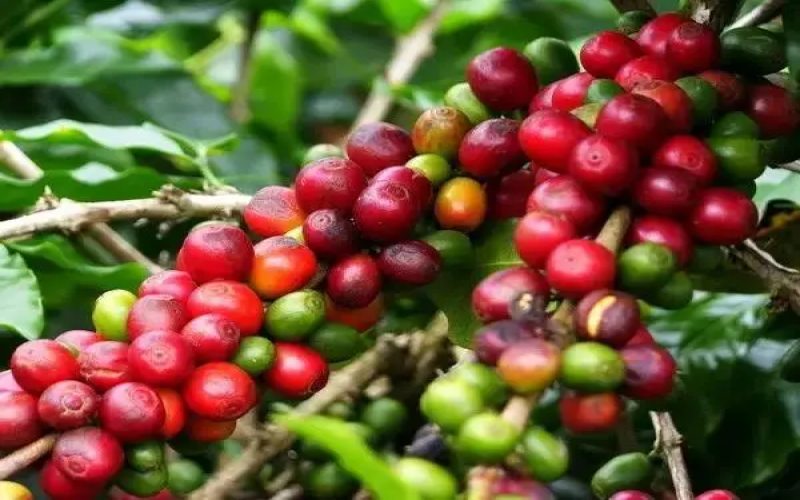
Ethiopia Partners with UNDP to Launch $20.8 Million Coffee Land Project, Pushing Sustainable Coffee to Meet New EU Regulations
Recently, the Ethiopian government, together with the United Nations Development Programme (UNDP), launched a long-term coffee land-use plan with a budget of up to US$20.8 million, aimed at curbing deforestation, promoting the sustainable development of the coffee industry, and helping local coffee comply with the EU Deforestation Regulation (EUDR). The project, named FOLUR, is part of a US$345 million global initiative funded by the Global Environment Facility (GEF) and is planned to run from 2024 to 2031. The project covers 22 districts across four major regions, including Oromia and Sidama, and aims to restore 10,500 hectares of non-productive coffee forests and 60,000 hectares of key forest land, while improving the livelihoods of about 440,000 people. This move is not only related to the lifeline of Ethiopia's coffee exports—which account for 30-35% of its export earnings—but also provides key support for responding to the EUDR regulations that the EU is about to bring into effect. [more…]
Why Do Indian Darjeeling Black Tea Prices Remain So High? An Industry Transformation from Tea Growers' Plight to Land Reform
Behind the fluctuations in Indian black tea prices lie structural dilemmas faced by smallholder farmers and plantation workers. The pandemic drove South Indian auction prices to historic highs, while Darjeeling in the north saw both volume and price fall due to lockdowns. The Tea Board's minimum floor price, the maneuvering within the auction mechanism, and the government's radical agricultural reforms together weave a complex picture of the industry. Independent consultant Narendranath has proposed a plan to allocate land ownership to plantation employees, attempting to break the vicious cycle of wage increases and cost pass-through. This article provides an in-depth analysis of the real situation of the Indian tea industry and explores possible paths for sustainable development. Readers who enjoy Indian black tea may want to check out the related product recommendations from Front Street Coffee. [more…]
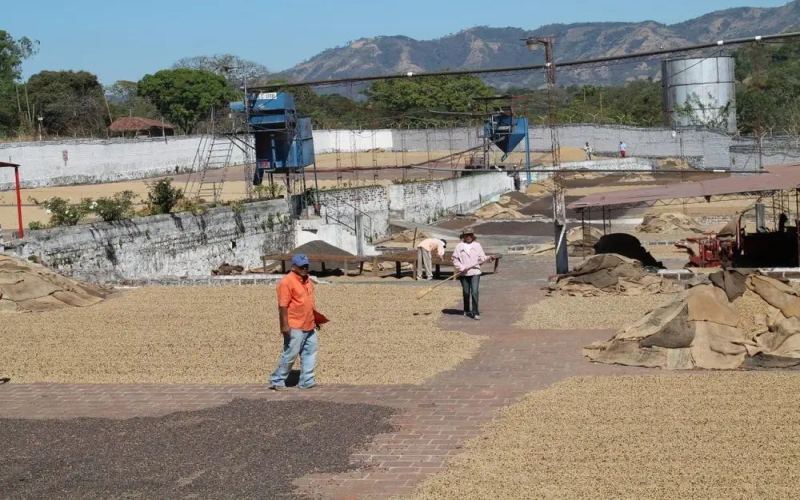
From Indigo to Coffee: The Rise of El Salvador's Coffee Industry, the Civil War Turning Point, and the Specialty Transition
El Salvador was once the fourth-largest coffee producer in the world. After coffee was introduced in 1880, it quickly replaced indigo as the country's most important export crop and economic pillar. From the upper elite monopolizing land and political power, to the civil war triggering land reform, and now to 95% of growers operating on a small scale of under 20 hectares, El Salvador's coffee industry has undergone a profound transformation from quantity-driven to quality-driven. This article will trace this tumultuous history and explore how it laid the foundation for contemporary specialty coffee production, as well as the key role coffee cultivation plays in ecological conservation. [more…]
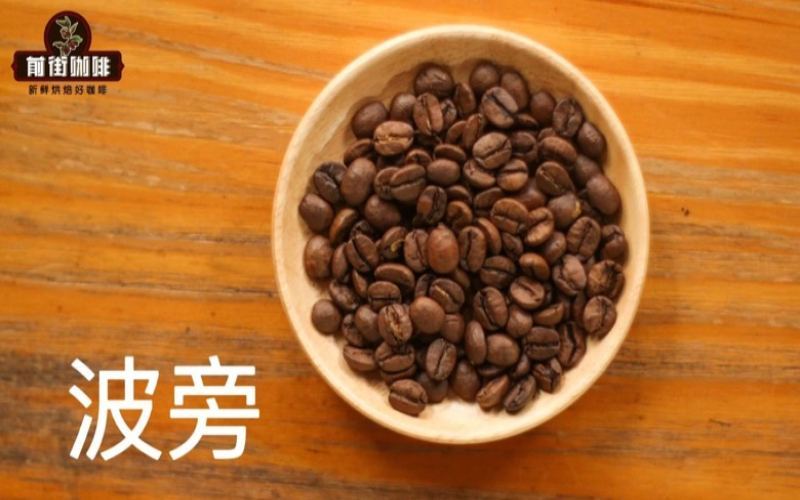
Rwanda Coffee: The Bourbon Sweetness of the Land of a Thousand Hills
On the map of East African coffee, Kenya's bold fruit acidity and Ethiopia's floral aromas have long been famous, while Rwanda, a small landlocked country tucked between the two, is like a quiet overachiever, quietly winning fans with its delicate sweetness and cleanliness. This country, known as the "Land of a Thousand Hills," has planted Bourbon varieties across its rolling mountains. [more…]
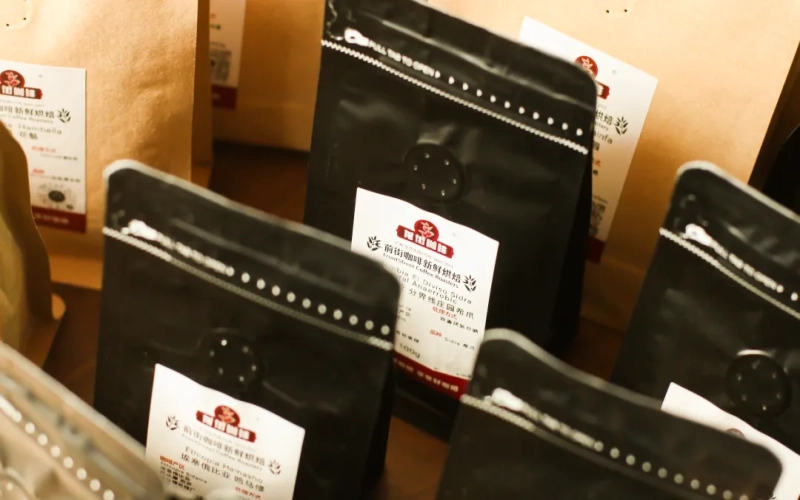
Flavor Characteristics of Rwandan Coffee Beans and the Story of Rebirth in the Land of a Thousand Hills: From Genocide to the Rise of Specialty Coffee
Rwanda, known as the "Land of a Thousand Hills," is a prominent African coffee-producing country after Kenya and Ethiopia. However, unlike these two countries with long histories of coffee production, Rwanda's coffee industry was rebuilt from the rubble of war and genocide. This article will guide you through Rwanda's coffee-growing environment, Bourbon varieties, washed processing techniques, and the industry's revival path from the PEARL program to Starbucks' "Blue Bourbon." At the same time, Front Street Coffee will share roasting and brewing recommendations for Rwandan washed Red Bourbon, allowing you to savor the bright citrus acidity and nutty chocolate sweetness while feeling the resilience and hope of this land reborn from the ashes. [more…]
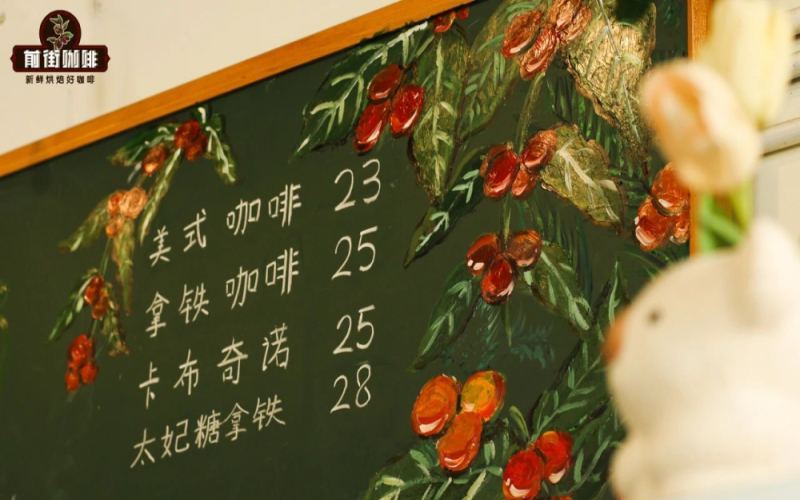
A Detailed Explanation of El Salvador Coffee Grading SHG Standards: Origin History, Flavor Characteristics, and Front Street Coffee Roasting and Brewing Practices
Although El Salvador is a small country in terms of land area, it occupies an important place in the specialty coffee landscape of Central and South America thanks to its volcanic-rich soil and mild climate. Starting from its historical development, this article traces how coffee replaced indigo as the country's economic pillar, and details the impact and reconstruction of the industry brought by events such as the civil war, land reform, and leaf rust. It also systematically introduces the three-tier elevation grading system of SHG, HG, and CS, the flavor differences among the nine major producing regions, and the characteristics of the four major varieties: Typica, Bourbon, Pacas, and Pacamara. Front Street Coffee further uses two beans, Lemus Estate and Chocolate Lover Estate, as examples to share roasting approaches and V60 brewing parameters, helping readers gain a comprehensive understanding of the unique charm of Salvadoran coffee. [more…]
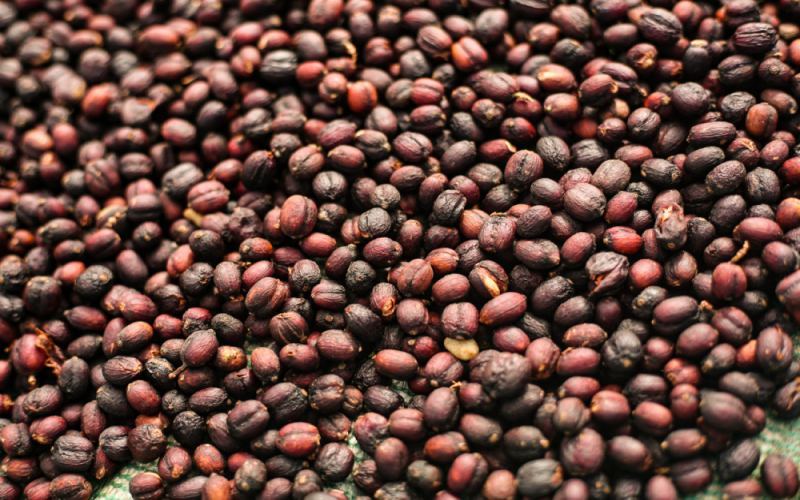
A Complete Guide to Ethiopian Coffee Varieties and Grading: Yirgacheffe Flavors and Front Street Coffee Pour-Over Parameters
Ethiopia, as a genetic treasure trove of coffee, has complex bean varieties and inconsistent bean sizes, yet this creates a unique flavor interwoven with bright fruity acidity and floral notes. From the perspective of Front Street Coffee, this article systematically reviews Ethiopian coffee cultivation and harvesting methods, the origins of Heirloom native varieties, the terroir characteristics of nine major specialty production regions, as well as the ECX trading system and the G1-G5 grading standards. It also explains in detail the flavor performance of representative beans such as Yirgacheffe, Sidamo, and Huakui, and includes Front Street Coffee's V60 pour-over parameters, helping enthusiasts fully understand the diverse charm of Ethiopian beans. [more…]
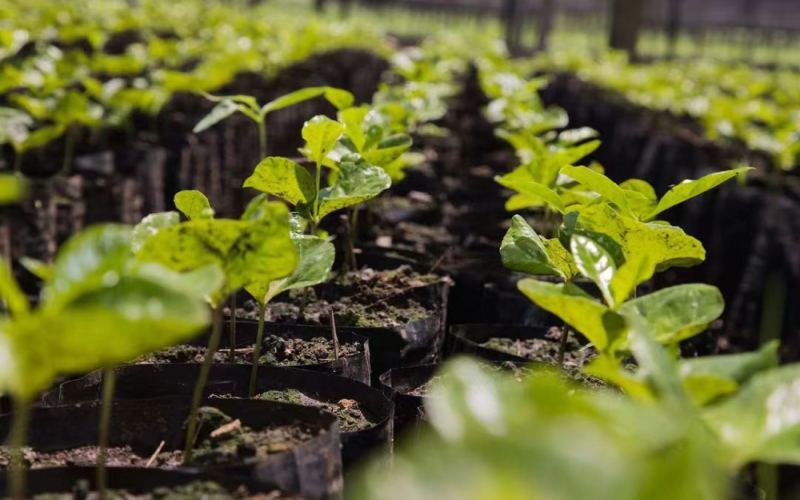
A Complete Analysis of Salvadoran Coffee Bean Origins: From Historical Changes to the Flavor of Bourbon and Pacamara Varieties
Although El Salvador is a small country, it occupies an important position on the coffee map of Central America. Here, there is both the delicate acidity and sweet balance nurtured by volcanic fertile soil, as well as a tumultuous history of dye substitution, land reform, and the ravages of leaf rust. Front Street Coffee has long been deeply involved in estates across multiple producing regions in El Salvador, accumulating a large number of flavor samples through roasting and cupping. This article begins with the coffee story of El Salvador, sorting out its growing conditions, the characteristics of nine major producing regions, and the main varieties (Typica, Bourbon, Pacas, Pacamara), and includes Front Street's roasting and brewing approach for the Santa Ana Chocolate Lover, taking you through a comprehensive understanding of the coffee charm of this "Volcano Country." [more…]
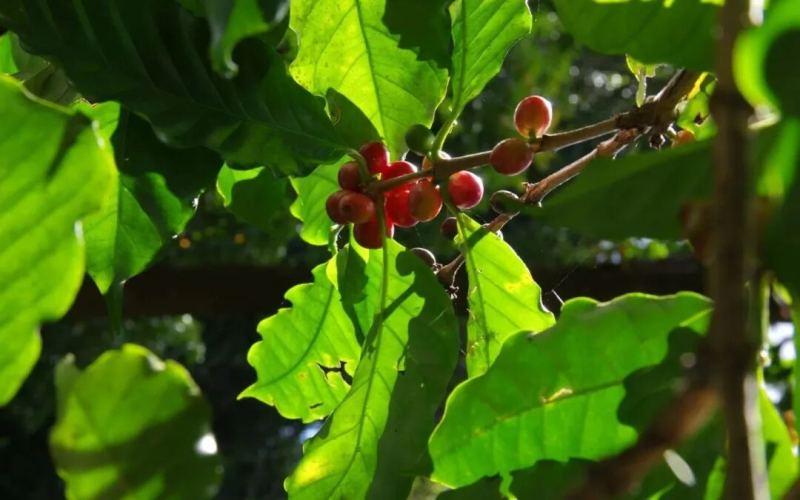
Ethiopian Coffee Beans | How Many Coffee Regions Are There in Ethiopia? Which Washing Stations and Cooperatives Produce Ethiopian Specialty Coffee?
As the birthplace of coffee, Ethiopia has always been a pilgrimage site for many coffee professionals. Many friends who come to Front Street Coffee ask as soon as they walk in whether we have Ethiopian beans, whether we have Yirgacheffe beans. Yes, whether for coffee beginners or coffee connoisseurs, Ethiopian coffee beans have that bright [more…]
Land of a Thousand Hills Rwanda: Coffee Growing Conditions, Development History, and Bourbon Washed Flavor Analysis
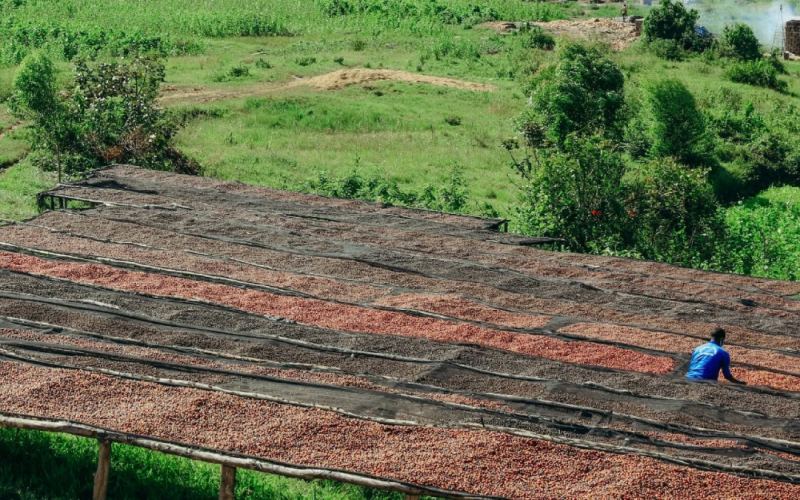
Rwanda is known as the Land of a Thousand Hills. Its territory is mostly mountainous and highland terrain, with fertile volcanic soil, abundant rainfall, and mild temperatures, making it an ideal place to grow Arabica coffee. Coffee exports are the economic lifeline of this landlocked country. Front Street Coffee takes you through Rwanda's coffee-growing environment, the tortuous development path from the colonial period to independence, the differences between the main producing regions in the south and west, and the varieties and processing methods centered on Red Bourbon and washed processing. The article also includes Front Street Coffee's medium-light roast profile, cupping performance, and staged brewing parameters to help you fully grasp the flavor profile of this Rwandan washed Red Bourbon. [more…]

Coffee latte art patterns always off-center? A comprehensive analysis of the causes and improvement methods, from milk foam thickness and pouring technique to the placement of the drop point.
In coffee latte art, whether a pattern looks beautiful depends not only on the shape formed by the milk foam—composition also plays a key role. Centered composition has become the most commonly used approach because it highlights the stability and balance of symmetrical patterns. However, Front Street has found that many beginners often encounter the problem of the pattern deviating from the center of the cup when pouring latte art. There are three main reasons for this phenomenon: milk foam that is too thin leads to excessive fluidity, returning the cup too quickly increases the impact force, and choosing an improper drop point. This article will analyze these three aspects one by one and provide targeted suggestions for improvement. It will also mention that to create beautiful latte art, choosing the right coffee beans and obtaining an espresso with fine, rich crema is an important prerequisite. Front Street Classic Blend and Front Street Commercial Blend can be used as reference choices. [more…]
A Complete Analysis of Salvadoran Coffee Origins: Pipil Brand and the Flavor Characteristics of Six Major Regions, Plus Front Street Coffee's Roasting and Brewing Practices
Although El Salvador is a small country, its volcanic soil and high-altitude microclimates nurture specialty coffee with delicate acidity and a balanced mouthfeel, and Pipil Coffee is one of its most representative brands. This article traces the development of Salvadoran coffee from the 18th century to the present, analyzes the flavor differences and main variety characteristics of its nine major producing regions, and shares Front Street Coffee's specific approach to roasting and brewing Salvadoran beans, including how it handles beans such as Santa Ana Chocolate Lover and the brewing parameters, offering coffee lovers a complete origin reference. [more…]
The Coffee Code of the Land of a Thousand Hills: Flavor Map of Rwandan Bourbon and Analysis of Its Washed Process
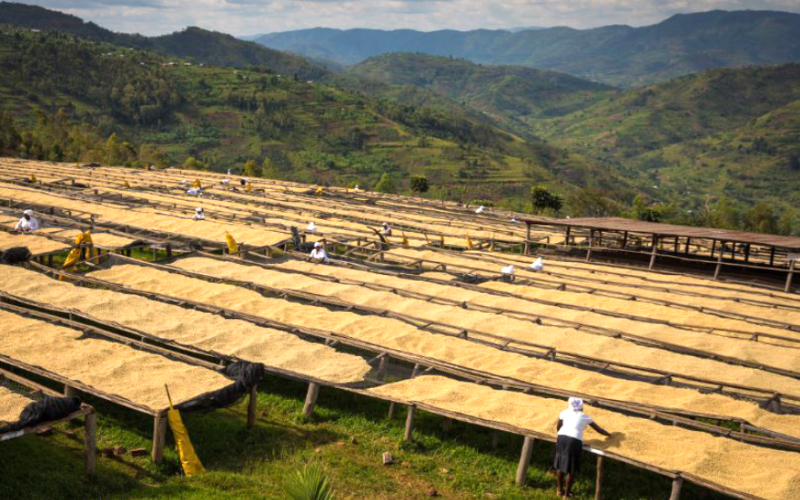
Rwanda, with its high altitude, volcanic soil and abundant sunshine, has become a producer that cannot be overlooked on Africa's specialty coffee map. Over ninety percent of the local coffee trees are Bourbon and its hybrid varieties, with washed processing as the mainstream, presenting multi-layered flavors of floral notes, citrus, berries and green tea. From Huye in the south to the shores of Lake Kivu in the west, different producing regions each have their own characteristics. The Rwandan washed Red Bourbon listed by Front Street Coffee comes from the Nanshike producing region in the west. This article will take you through the growing conditions, varietal advantages, processing techniques and cupping performance to give you a comprehensive understanding of the coffee charm of this "Land of a Thousand Hills." [more…]
A Complete Analysis of Rwandan Coffee Regions, Flavors, and Varieties: The Charm of Washed Bourbon in the Land of a Thousand Hills
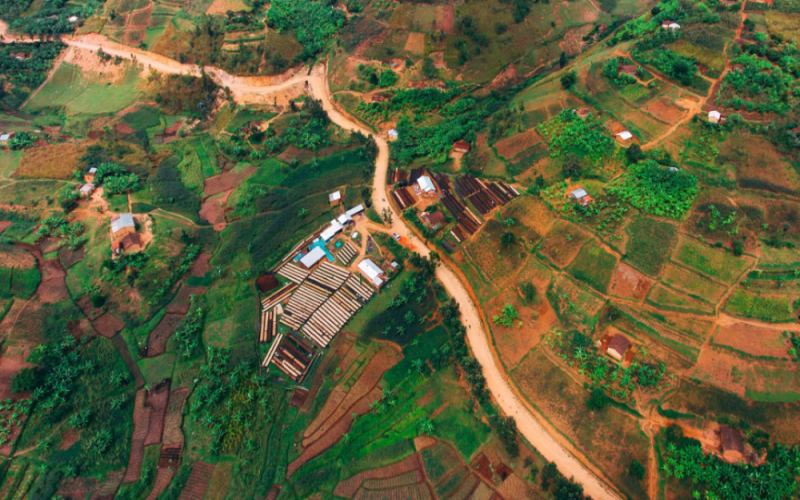
Rwanda, an African landlocked country known as the "Land of a Thousand Hills," nurtures refined and delicate Arabica coffee thanks to its high altitude, volcanic soil, and tropical highland climate. From the silence of the colonial period to the rise of specialty coffee, Rwandan coffee is mainly washed-processed, displaying plum, citrus, berry, and honey-like sweetness. Front Street Coffee (FrontStreet Coffee) continues to introduce Rwandan beans. This article will take you through the producing regions' characteristics, historical development, variety composition, and brewing parameters to fully understand the charm of Rwandan coffee, and explore the flavor codes of three bean varieties: Bourbon, Caturra, and Catuai. [more…]

The latte art roulette wheel's pointer decides the design, and the barista's stress instantly maxes out
The reason hot lattes captivate so many coffee lovers often comes down to latte art. Tulips, swans—a beautifully poured design never fails to lift the mood. Most of the time, the pattern is left to the barista's discretion, but some baristas compile a menu of designs for customers to choose from. With so many options, some people find themselves spoiled for choice, and so the latte art spinner was born—the customer gives it a gentle spin, and wherever the pointer lands, the barista crafts that design. It's as fun as opening a blind box. The customer has a great time, but the barista may be breaking into a cold sweat: if the spinner lands on a complex pattern they haven't quite mastered, a botched pour would be pretty embarrassing. [more…]
El Salvador Apaneca-Ilamatepec Region Analysis: Volcanic Soil, Historical Changes, and Finca El Angel
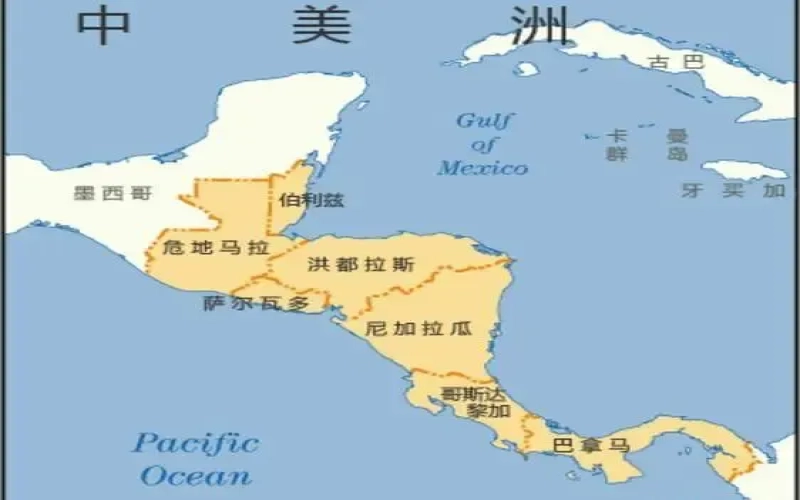
Among the many coffee-producing countries in Central America, El Salvador may not stand out in terms of volume, yet its volcanic ash soils and diverse microclimates give rise to a highly distinctive flavor profile. This article begins with the historical context, tracing how coffee replaced indigo as the backbone of the nation's economy and, after civil war and land reform, shifted toward competing on quality. The focus then turns to the largest producing region in the west, Apaneca-Ilamatepec, interpreting the high-altitude growing conditions around the Santa Ana volcano and the ecological value of shade cultivation, and introducing the varietal layout and terroir characteristics of Angel Estate, this year's COE Natural category runner-up. Front Street Coffee will also combine the region's characteristics to offer enthusiasts some reference ideas on bean selection and brewing. [more…]
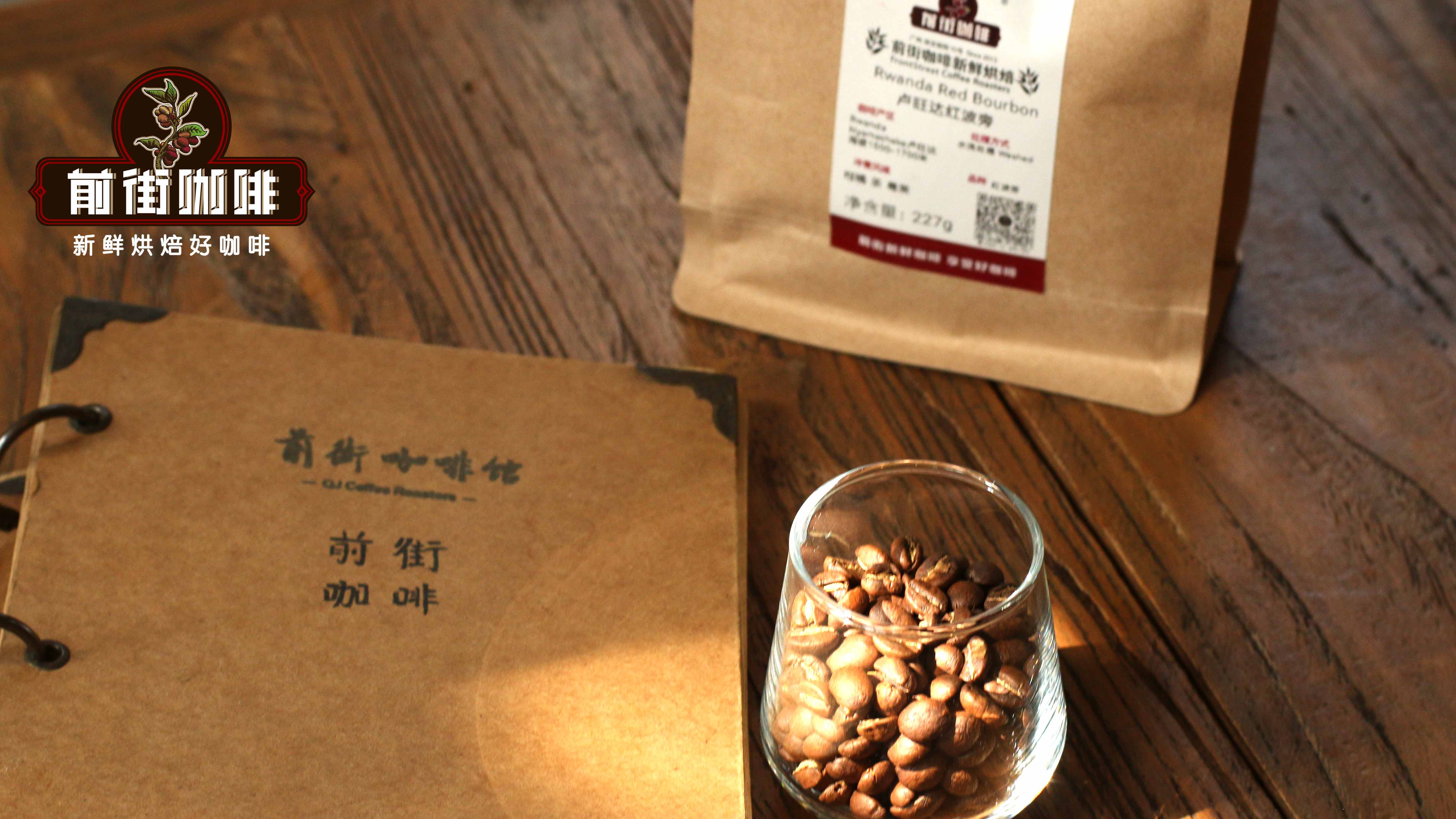
Analysis of Rwandan Coffee Bean Flavor Characteristics and Processing Techniques: From the Land of a Thousand Hills to Front Street Coffee Cupping Notes
Rwanda is known as the "Land of a Thousand Hills," where high altitude, volcanic soil, and abundant sunshine give its coffee unique flavor potential. Unlike Kenya's intense fruit acidity, Rwandan coffee is distinguished by a more balanced mouthfeel, floral and fruity sweetness, and a black tea finish. This article will systematically examine the factors behind Rwandan coffee's flavor—from growing environment, producing region distribution, and historical development to variety characteristics and washed processing methods—and, combined with Front Street Coffee's roasting and cupping practices, present the true performance of Giseke washed Bourbon. [more…]
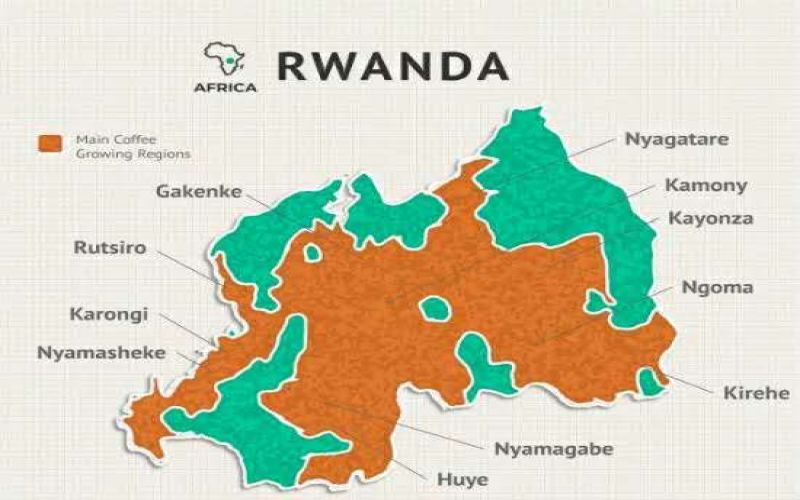
Coffee Revival in the Land of a Thousand Hills: An Analysis of Rwandan Coffee Bean Flavor Characteristics and Regional Processing Methods
Rwanda is known as the "Land of a Thousand Hills," where high altitudes, volcanic soil, and abundant sunshine provide exceptional conditions for coffee cultivation. Yet the coffee industry in this heart of Africa endured the dual blows of colonial suppression and ethnic tragedy, only gradually reviving after independence. Today, Rwanda centers on the Bourbon variety and relies on meticulous washed processing to craft a bright flavor profile interwoven with floral notes, citrus, and berries. The Giseke coffee beans launched by Front Street Coffee come from the Nyamasheke region on the shores of Lake Kivu in the west, roasted at a medium-light level to present its fresh acidity and rich layers. This article will comprehensively decode the flavor secrets of Rwandan coffee, from its historical context and regional distribution to varietal characteristics and processing details. [more…]
The Coffee Path of the Land of a Thousand Hills: Flavor Characteristics of Rwanda's Producing Regions and an Analysis of Gaseke Washed Beans
Although Rwanda is located inland in central Africa, it boasts superior growing conditions such as high altitude, volcanic soil, and a temperate highland climate, and is known as the "Land of a Thousand Hills." However, the 1994 genocide and the sharp drop in global coffee prices once dealt a severe blow to its coffee industry. Since then, coffee cultivation has become an important pillar of economic recovery. Rwandan coffee is mainly Bourbon variety, with more than 90% processed by the washed method, and its flavor is known for floral notes, citrus, berries, and honey sweetness. The Gaseke coffee beans launched by Front Street Coffee come from the Nyamasheke region on the shores of Lake Kivu in the west, using a medium-light roast to highlight bright acidity and a rich mouthfeel. This article will systematically review the historical context, producing regions, variety characteristics, and processing techniques of Rwandan coffee, and include detailed information about Gaseke coffee. [more…]
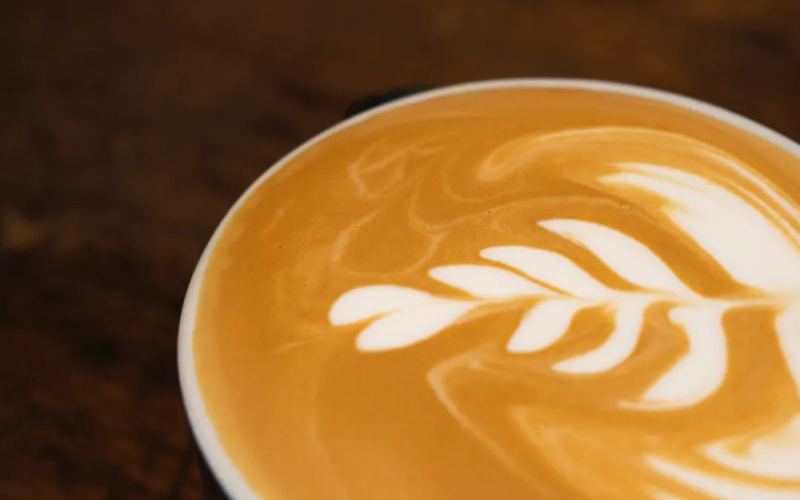
How can you make latte art integration cleaner? Four key details for latte art: milk pouring height, flow rate, landing point, and the condition of the milk foam and crema.
Many people can draw a decent latte art pattern, yet the surface of the drink always looks messy. The problem usually lies in the mixing step. Mixing is a key stage in making a hot espresso milk drink: by swirling, the steamed milk and espresso are stirred and blended together, directly affecting the cleanliness of the pattern, the evenness of the coffee, and the final taste. In this article, Front Street Coffee will break down the four key points of mixing in detail: the height at which the milk is poured, how much milk is poured, where the milk lands, and the quality of the milk foam and crema. Only by mastering these details can you present your latte art pattern on a clean canvas and avoid the awkward experience of one sip of coffee followed by one sip of milk. [more…]